Learn · Money talk
The cheapest time to change your mind about your building
Why the same change costs an eraser in one month and a jackhammer in another, and how to spend your indecision early.
Pufferfish Architects · November 2026 · 5 min read
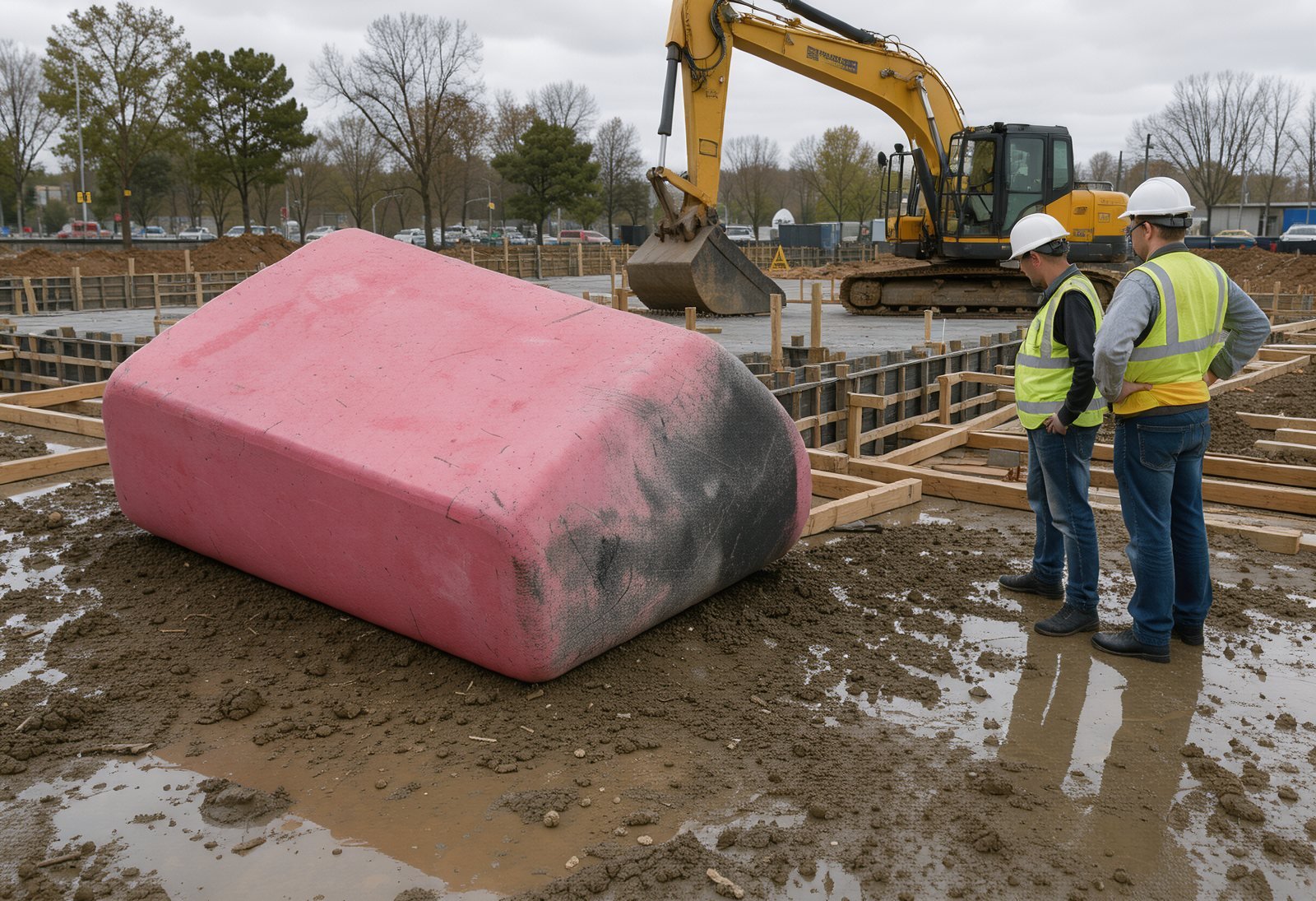
You will change your mind about your building.
Everyone does. The only question is when, and what it costs you that day.
The same change has four prices. Only one of them is an eraser.
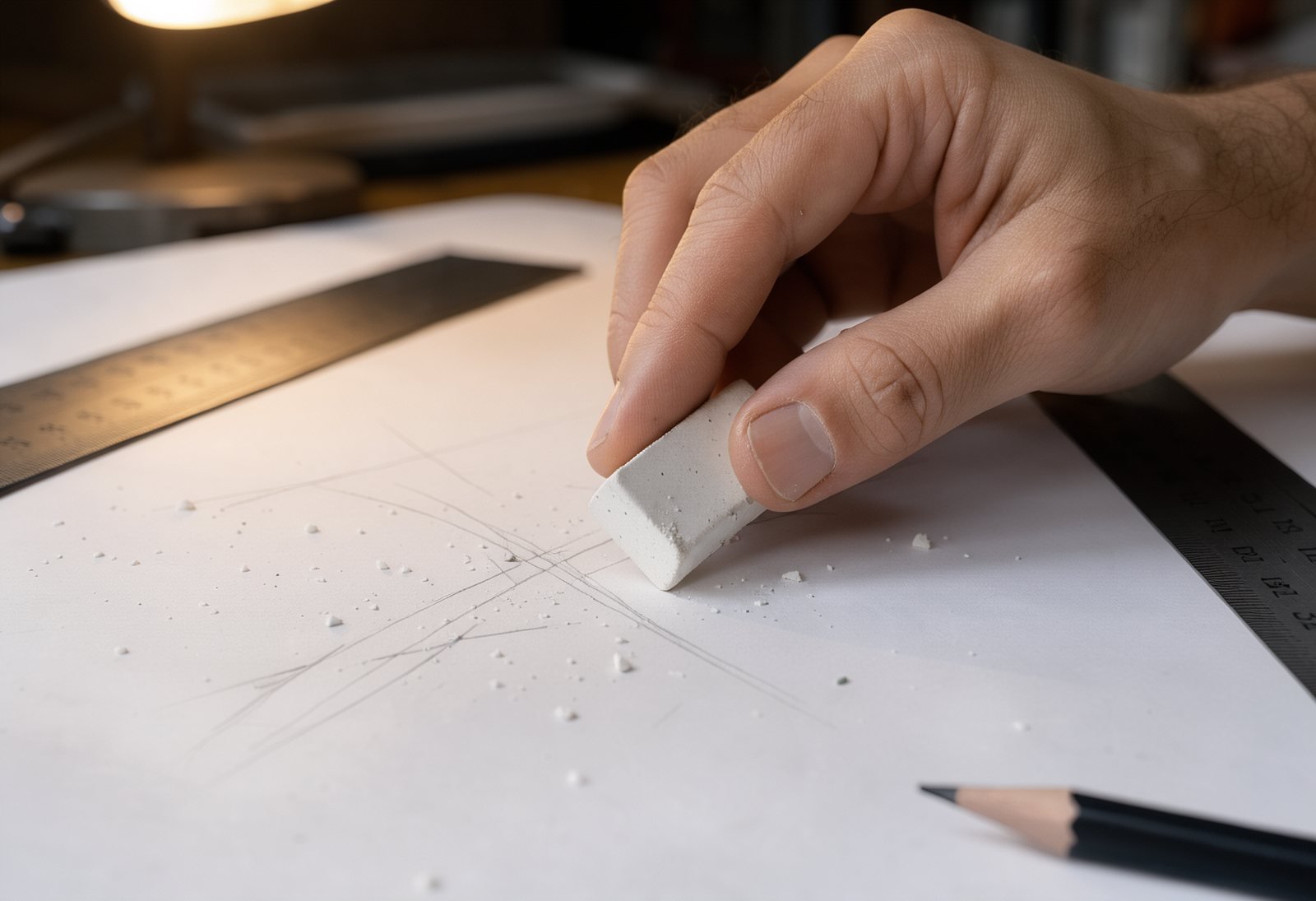
Erasers are cheap.
Four prices for one change
Say you want to move a wall. Here's the bill, depending on the day you ask.
We won't put dollar figures on these. They depend on the project. The order never changes.
Why does it climb?
Because a line stops being a line.
On a sketch, a wall is one stroke of a pencil. A few months later the same wall has a beam above it, a duct through it and wiring inside it. Move it, and all of those move too.
And nobody moves a wall alone. One engineer checks the beam. Another reroutes the duct. Everyone redraws.
Later still, it's ordered. Then delivered. Then poured.
Nothing about the wall changed. Only the number of things attached to it.
A drawing is a rehearsal. The site is opening night.
Spend your indecision early
You can't stop yourself from changing your mind. You can choose where you do it. Here is how we set that up.
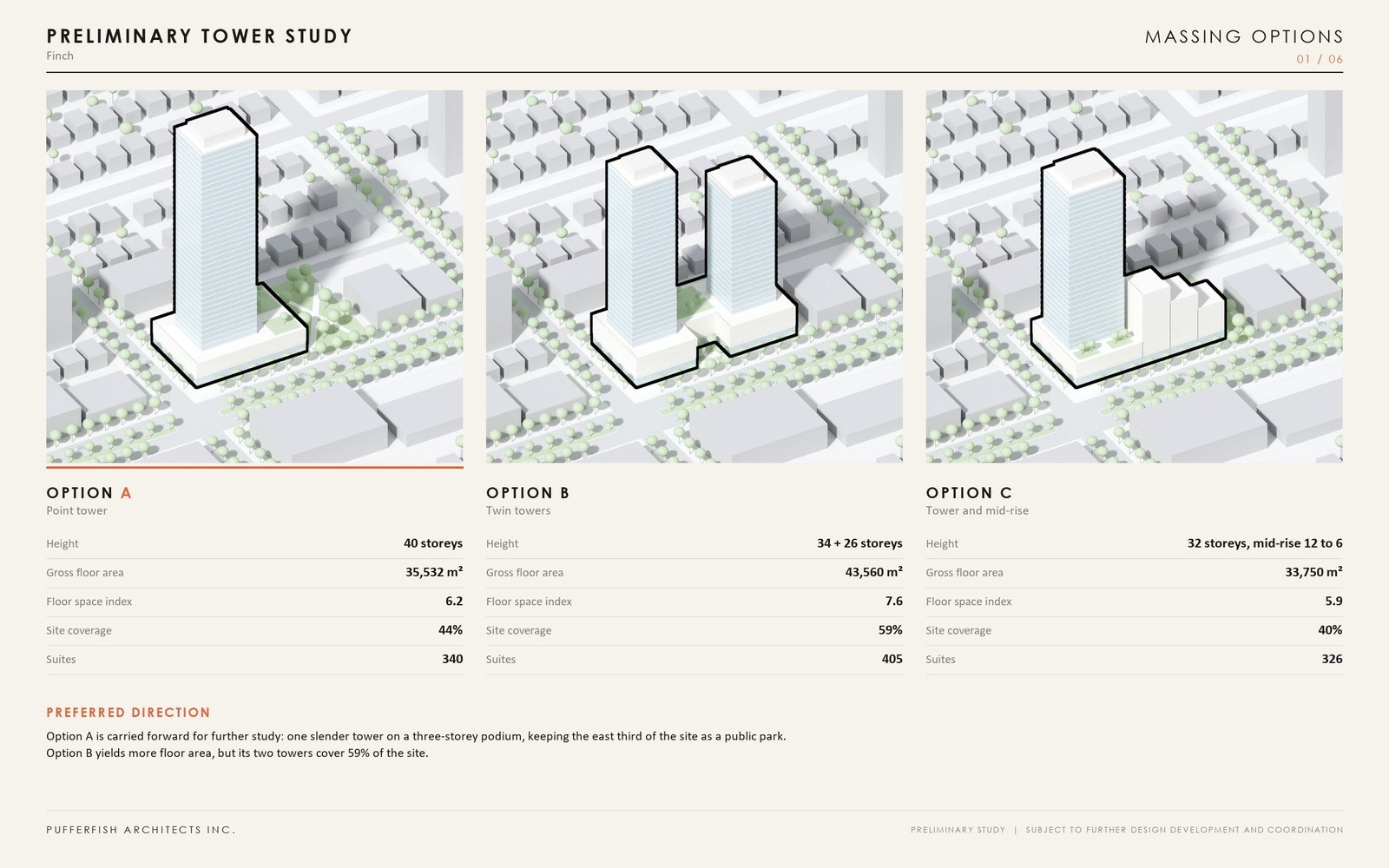
- Put the options side by side. On our Finch tower study we drew three schemes as plain blocks before anything else. The biggest one lost, and it lost on paper.
- Decide in order. The site first. Then the size. Then the layout. Then the looks. Each one narrows the next.
- Walk the plan before it's real. For a clinic in Windsor we laid the rooms out in the order of a visit, then walked it on the drawing. See the plan.
- Write down one test. On that clinic every later decision gets the same question: lounge or supply store? One sentence settles a lot of arguments.
Six questions that are cheap today
Some decisions run through the whole building. Settle these on paper and the late bills shrink.
- How many rooms or suites, and how big? The count sets the size of everything else.
- Where do the stairs and the elevator go? They pass through every floor. Move one late and every floor changes.
- Where does the structure land? Columns and bearing walls decide which walls can move later and which can't.
- How tall are the ceilings? Floor-to-floor height touches the stairs, the cladding and the total height the zoning allows.
- Where do the big windows go? Openings in an exterior wall are easy to draw and hard to cut.
- Where do the machines live? The mechanical room and the shafts feed every room. They want a home early.
Paint colours can wait. These can't.
If you must change late
It happens. Do it with your eyes open.
- Get the price and the delay in writing first. On a construction contract that paper is called a change order: the change, the cost and the added time, signed before the work starts.
- Ask what else it touches. The honest answer is rarely "nothing".
- Bundle your changes. One round of redrawing costs less than five.
- Check the permit. A material change to drawings a permit was issued on needs the building official's authorization before it's built.
The honest bit
Some changes come late no matter what you do. The ground surprises you. A rule changes. Your life changes.
A late change isn't a sin. It's a bill. Ask for the price before you ask for the change.
Your turn
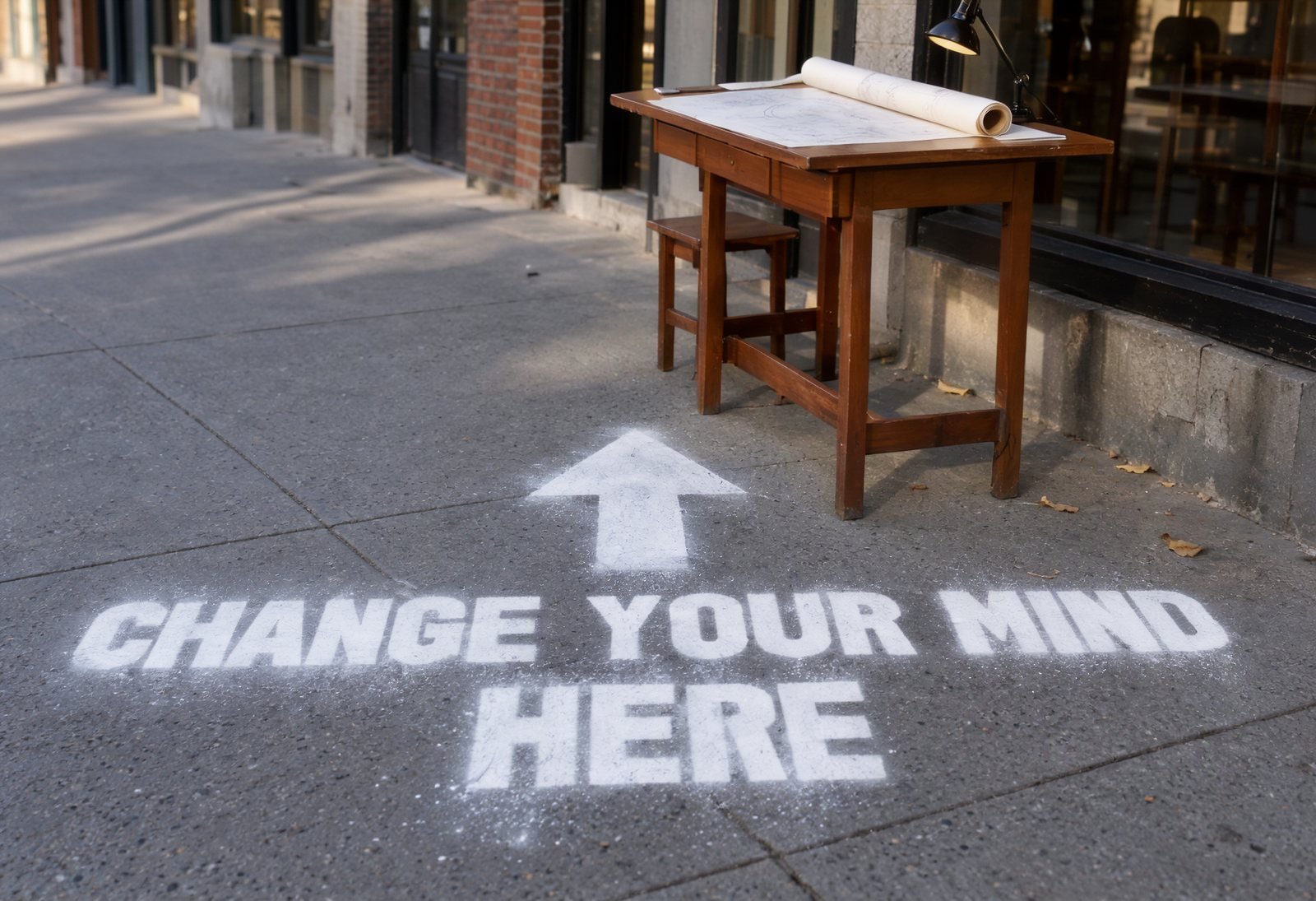
Before your next design meeting, write down three things you're still not sure about.
Bring them to the table now, while they still cost an eraser.
Erasers are cheap. Use them.
Quick answers
When is the cheapest time to change a building design?
Early in design, at the concept and schematic stage, when a change is still a line on a drawing and nothing depends on it yet.
Why do changes during construction cost so much?
Because you pay three times: to build the first version, to remove it, and to build the new one. The drawings are revised as well, and other work may wait while that happens.
What is a change order?
A written change to a construction contract, signed by the owner and the contractor, that sets out the change in the work, the change in price and the change in time.
What is schematic design?
The stage where the layout and the look of a building are set, before the detailed construction drawings are made.
Can I change the design after the building permit is issued?
Yes, but a material change to the drawings the permit was issued on needs the authorization of the building official before that work goes ahead.
How do I avoid expensive changes?
Compare options side by side early, decide the big things in order (site, size, layout, then finishes), and walk through the plan on paper before detailed drawings begin.